Why GDL Silken Tofu Turns Sour or Weeps: Diagnose Dose, Solids and Heat
Disclosure: We may earn a commission if you purchase through links on this page, at no additional cost to you.
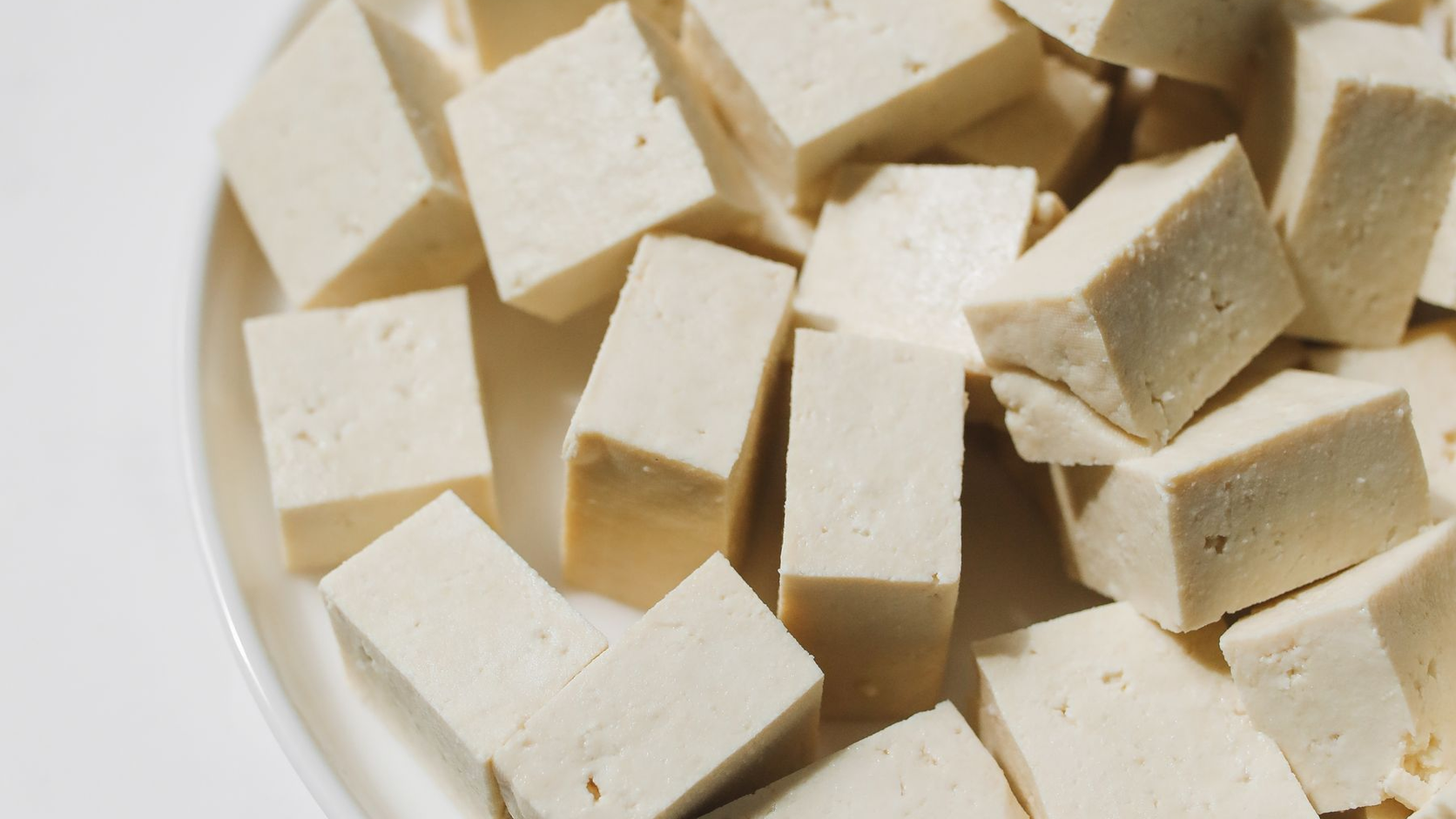
Silken tofu set with glucono delta lactone fails in two visible ways: it tastes too sour, or it releases liquid after pack-out. Both are process signals before they are ingredient signals, and this guide walks the checks in the order a line investigation should run them.
Start with the gel system, not a dose cut
When GDL-set silken tofu tastes sharper than the approved product or releases visible liquid after setting, reducing the next dose is tempting. It can also hide the real cause. GDL performance depends on the soy milk entering the filler, the concentration basis used for dosing, the time and temperature that let GDL acidify the system, and the way the filled pack is heated and cooled. A formulation can become more sour and less uniform because one of those conditions moved, even if the nominal recipe did not.
Glucono-delta-lactone is a slow acid precursor. In water it hydrolyses to gluconic acid, lowering pH and reducing the electrostatic repulsion between soy proteins so they aggregate into a gel. Heat accelerates that transition. The final texture is therefore a result of acidification history and protein network formation, not simply a fixed gram-per-kilogram dose. GDL is commonly used for soft or silken tofu made in its retail container, where the sealed package can heat without the fragile gel being transferred afterward. [1]
A useful first split is sensory sourness versus syneresis. Sourness points toward acid load, acidification timing or a changed sensory target. Weeping points toward water retention and gel structure. They can occur together, but one does not prove the other. Measure and record both before changing the process.
Why the same GDL percentage can behave differently
Start by writing down what the percentage means. A batch sheet may state GDL as a percentage of soy milk, percentage of total filled mix, or grams per litre. Those are not interchangeable if solids, added water or premix volume changed. Confirm whether the GDL was weighed as powder or delivered through a solution, then recalculate the actual mass per kilogram of the relevant base. Check the scale, powder assay, premix concentration and dosing-pump calibration before changing the target.
Then check the soy milk, because its solids and protein profile set the material that must form the gel. In a pilot-scale soft-tofu optimization, researchers varied soy-milk solids, GDL concentration, mixing temperature and stirring time. Their optimum combination fell around 11.8–12.3 °Brix, 0.27–0.32% GDL, 85–91 °C mixing temperature and 5–11.3 seconds of stirring within the experimental design. The authors also found soy-milk solids were the most important factor affecting texture. These are study-specific pilot results, not a universal factory recipe; the value is that they show why a percentage cannot be interpreted apart from the milk and process. [2]
Soybean cultivar, extraction yield, dilution, heating history and protein composition can shift the coagulation response. Research on coagulant requirement has linked soy-milk properties such as solids, protein, phytate, pH and protein-subunit composition with the amount needed for coagulation. A change of bean lot or upstream extraction can therefore move a previously stable line even when the ingredient supplier and GDL setting are unchanged. [3]
Separate sourness from the normal acid-set profile
GDL-set tofu is not expected to taste identical to salt-coagulated tofu. It creates an acid gel, and a slight acidic note is part of its process character. The action question is whether the current lot has shifted from your accepted reference. Compare it with a retained pack from a conforming run at the same age, serving temperature and storage history. A fresh sample compared with an older pack can make ordinary post-process change look like a dosing fault.
Record pH and, if sensory sourness matters commercially, titratable acidity as separate measures. pH describes hydrogen-ion activity; titratable acidity reflects the amount of neutralizable acid over the titration procedure. Two products can have similar pH and different buffering and sensory perception. Do not set a sourness correction from pH alone. Keep the sensory panel blinded to the process condition when possible, and agree on the serving temperature and portion size.
A survey of seven commercial silken tofu products found pH values from 5.53 to 6.48, while moisture ranged from 87.10% to 92.24%; the samples also differed in coagulant and composition. Those observations show the spread among products on that market, not an acceptable specification for your product. Set the target from your formulation, consumer expectation, safety and shelf-life requirements. [4]
If pH falls faster than expected before or during filling, inspect the elapsed time between GDL addition and sealing, mix temperature, hold time and line stops. If pH is within the approved range but taste is sharper, check titratable acidity, age, salt balance and sensory conditions before lowering GDL. A lower dose can weaken the gel or increase variability if the real issue is an upstream soy-milk change.
Why does the pack release water?
Visible liquid can be whey separated from the protein network, condensation, or free water introduced by the process. Note when it appears: before heating, immediately after cooling, during refrigerated storage, or only after transport. Record whether the gel is uniformly soft, grainy, cracked, or intact with a liquid layer. These patterns help distinguish under-setting from over-acidification, uneven heat penetration, rough handling or package leakage.
A low-solids or diluted soy base may produce a weaker network that holds less water. Too little effective acidification can also leave an incomplete gel, while fast or uneven setting can create a nonuniform structure. Excessive acidification may tighten or contract a protein network and push out water; the direction and severity depend on the complete recipe and heating path. Treat these as hypotheses to test, not a diagnosis from appearance alone.
Check the actual heat profile in the product, not just the bath or retort display. A container’s centre warms more slowly than the surrounding water. In filled tofu processing, the package geometry, fill mass, initial product temperature, loading pattern and come-up time affect how long the contents experience the temperature that drives GDL hydrolysis. An industry processing overview describes sealed filled silken-tofu containers heated in an 80–90 °C water bath for 40–60 minutes as one commercial method; it is not a specification for every package or plant. [1] Verify your validated thermal process and food-safety schedule independently; do not shorten it to correct texture.
Review cooling and movement as well. Moving packs before the gel has set, an uneven cooling step, or vibration during transfer can damage a delicate gel. If liquid appears only after distribution, compare control packs held still with packs that follow the normal handling route.
A compact troubleshooting sequence for production
Use the sequence below to keep a line investigation specific. Change one major factor per trial or use a small designed experiment when interactions are likely. Retain a conforming control and make the same soy-milk lot serve all comparisons.
| Symptom or signal | First checks | Useful next comparison |
|---|---|---|
| Sharper taste, normal gel | Dose calculation, scale/pump, GDL premix, time from addition to fill | Same soy base at current and approved dose; compare pH and titratable acidity |
| Soft gel plus weeping | Soy-milk solids/protein, dilution, coagulant uniformity, centre temperature | Solids by refractometer plus protein or total solids; matched heating profile |
| Grainy or cracked gel | Local high-acid zones, mixing after dose, temperature uniformity | Check mixing sequence and sample pH at multiple positions |
| Good at pack-out, liquid after storage | Cooling, pack integrity, storage, movement, post-process acidification | Retained packs at defined time points under controlled storage |
This table is a troubleshooting map, not a set of universal pass limits. Use the plant’s approved product specification and validated thermal process to define acceptance. If there is a food-safety deviation, handle it through the site’s food-safety system before sensory or texture optimization.
Sourcing candidate for buyer review
One Alibaba listing for food-grade glucono delta lactone is linked below as an RFQ starting point. It is a sourcing route, not an approved coagulant — the process checks above still decide whether a lot behaves like your current material.
Run a trial that can answer the question
Before a trial, lock the soy-milk batch, formulation, package, fill mass and heat cycle. Confirm the current GDL calculation and create a sample map with condition, time and replicate. Measure incoming milk solids consistently; where a refractometer reading is affected by temperature or suspended material, use the site’s validated method and do not treat °Brix as a direct protein assay.
For a first screen, bracket the approved dose modestly rather than importing a published optimum. Pair it with one measured upstream variable such as milk solids or fill temperature. Hold mixing and heating constant. If production records suggest the heating profile changed, test that profile separately rather than adjusting GDL at the same time. Pull packs at pack-out and after the storage intervals relevant to the complaint. Record pH, titratable acidity if available, texture by a repeatable instrument method, visual serum release, sensory result and pack integrity.
Use replicate units from each condition. If results differ within a condition, increase replication before declaring a narrow dose window. The objective is to find whether the defect follows GDL amount, soy-milk composition, thermal history or handling. A practical response-surface or factorial design can be useful when solids, dose and temperature interact, but it should stay inside the safe and approved process envelope. The 1997 pilot study’s range is useful for designing a screening region only if the equipment and product are comparable; it is not permission to transfer its process directly. [2]
Keep the ingredient specification and the process diagnosis separate
When a batch changes, ask whether the delivered GDL matches the approved material before assigning blame. Check the identity, food-grade specification, assay basis, moisture, lot number and COA-to-shipment match. Confirm the supplier’s stated storage and shelf-life conditions, bag integrity, and whether the powder has been exposed to moisture or prolonged heat. Compare retained material from the previous lot if a change coincides with a new shipment.
A GDL assay result near 100% is not itself a tofu performance specification. It does not establish the correct dose for a particular soy milk, the rate of hydrolysis in your actual process, or a guaranteed gel strength. Similarly, a supplier’s statement that the product is suitable for tofu does not validate your line settings. The procurement file should establish identity and agreed quality attributes; the production trial should establish use conditions in your formulation.
Ask the supplier for the current specification, lot COA, test method, assay reporting basis, packaging format and change-notification procedure. If the product is sold through a trader, clarify the manufacturer and production site, and make sure the COA and lot traceability follow the material through the chain. The supplier role may be acceptable; unclear identity or missing batch traceability is the actual qualification problem.
The decision that prevents repeat failures
For sour or weeping GDL silken tofu, do not start by changing the additive and hoping the texture improves. Confirm the dose basis and dispensing accuracy, compare incoming soy-milk solids and composition, measure the acidification path, and check the product’s real heat and cooling history. Separate sensory sourness from serum release, then run a matched trial that changes only the factors the evidence points to.
Published work demonstrates that solids, GDL concentration, temperature and stirring can interact, and commercial silken tofu products vary widely in measured composition and pH. Those findings are reasons to measure your own line—not recipes to copy. A repeatable specification for the soy base, a controlled GDL dose calculation, a recorded thermal profile and a retention sample make the next complaint far easier to resolve.
References
- McHugh, T. How Tofu Is Processed. Food Technology, Institute of Food Technologists. 2016. https://www.ift.org/food-technology-magazine/how-tofu-is-processed
- Shih M-C, Hou HJ, Chang KC. Process Optimization for Soft Tofu. Journal of Food Science. 1997;62(4):833–837. https://doi.org/10.1111/j.1365-2621.1997.tb15466.x
- Shih M-C, Yang K-T, Kuo S-J, Chiang W. Effect of soy milk characteristics and cooking conditions on coagulant requirements for making filled tofu. Journal of Agricultural and Food Chemistry. 2004;52(11):3396–3401. https://doi.org/10.1021/jf035139i
- Sim E-Y, et al. Studies on Quality Characteristics of Commercial Silken Tofu Products. Korean Journal of Food and Nutrition. 2020;33(5):576–583. https://doi.org/10.9799/ksfan.2020.33.5.576
- Gelling properties of acid-induced tofu (soybean curd): Effects of acid type and nano-fish bone. Journal of Food Science. 2024. https://doi.org/10.1111/1750-3841.17067
Related content
Continue exploring related ingredient research and sourcing guides.
How to Read a Food-Grade GDL COA: Assay Basis, Moisture and Lot Checks
A GDL certificate of analysis only helps if its numbers can be tied to the right product and the right basis. How to read identity, assay basis, water and lot evidence before a lot is approved.
GDL vs Calcium Sulfate for Tofu: Choosing a Coagulant Route and Qualifying the Change
Acid-set, mineral-salt or blended coagulation each change a different part of the tofu system. How to pick the route from the product you need, design a changeover trial that can be interpreted, and normalise the quote afterwards.
Creatine Monohydrate 200 Mesh vs Micronized: What Buyers Should Verify
A 200-mesh claim and the word micronized are both shorthand. What each one can and cannot tell you, when sieve analysis is enough, and how to write a particle-size limit that a lot has to meet.
80 Mesh vs 200 Mesh Creatine Monohydrate: How Buyers Should Specify Particle Size
Mesh is a sieve shorthand, not a specification. How to make 80 and 200 mesh comparable, test dispersion at the intended dose, and write a particle-size limit into the RFQ.