Why Is Gellan Gum Not Keeping Pulp Suspended? Six Checks Before Raising the Dose
Disclosure: We may earn a commission if you purchase through links on this page, at no additional cost to you.
Quick Answer
When pulp settles in a juice drink, adding more gellan gum can help in some formulations. It can also make a drink ropy, gel-like or difficult to pour while leaving the real cause untouched. Before changing the dose, identify what is actually separating: dense particles settling, a serum layer forming, gum that never hydrated, or a local gel/precipitate created during processing. These are different failures and need different tests.
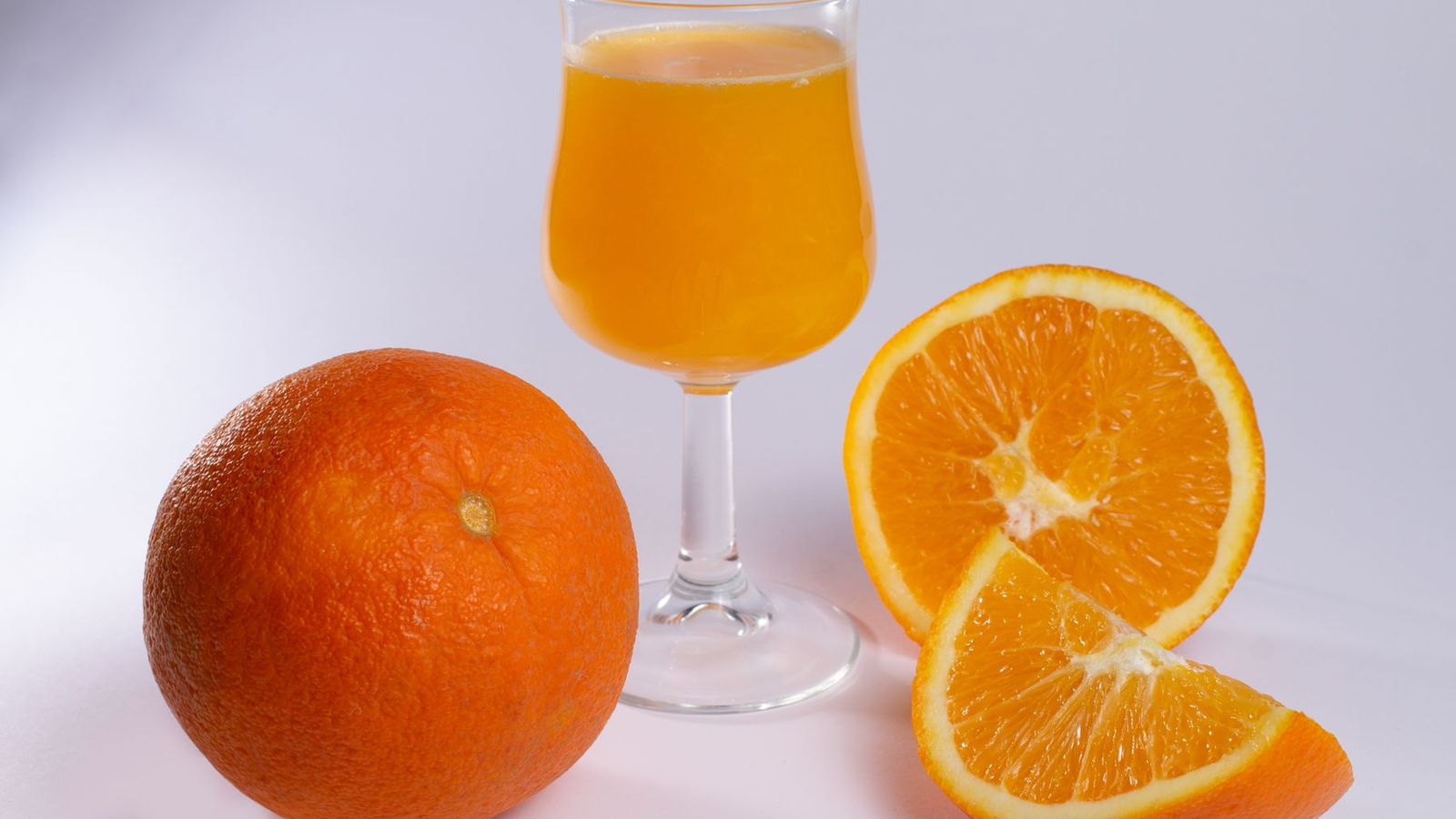
Gellan gum can suspend particles by creating a weak structure that resists movement at rest while still flowing when poured. Whether it does so in a particular beverage depends on the gellan type, ion content, ingredient order, heat history, pulp properties and target texture. A published orange-juice study found that increasing gellan concentration raised yield stress and, at the highest concentration tested, prevented pulp sedimentation in that specific system. That is evidence that concentration can matter; it is not a transferable use level for every juice or process.[1]
The most efficient troubleshooting sequence is therefore: classify the defect, confirm the gum identity and acyl type, inspect dispersion and hydration, map the mineral/acid environment, then run controlled bench trials. Increase concentration only when the evidence points to insufficient suspension structure.
First decide what “separation” means
Look at the package before shaking it. Record the height and appearance of any lower layer, upper layer, clear serum, flakes or soft gel. Then invert the container gently and note whether the original appearance returns, how much effort it takes, and whether the texture remains acceptable. A clean sediment that redistributes is not the same defect as hard sediment, floating pulp or a watery layer around a gelled mass.
| What you see | What it may indicate | First check |
|---|---|---|
| Pulp forms a compact layer at the bottom | Suspension structure is too weak, particles are large/dense, or settling time exceeds the design target | Particle size and distribution; pulp loading; viscosity or yield behavior at rest |
| Clear or watery layer appears above/between pulp | Serum separation, weak network, or incompatibility in the complete formula | Compare pH, soluble solids and mineral content across batches; inspect the entire system |
| Fine flakes, grains or local gel strings | Incomplete dispersion/hydration, local ion exposure, or a gum/protein/acid interaction | Powder addition order, mixing, water hardness and temperature sequence |
| Floating particles or a surface ring | Particle wetting, trapped air, oil/fat association, or density mismatch | How the pulp is introduced and whether air is entrained |
| Drink becomes spoonable after cooling | Excessive structure or a gel-forming grade/process for the intended pour | Acyl type, gum level, ions and cooling/thermal history |
These are clues, not proofs. Sediment can coexist with a clear serum layer. Photograph bottles at fixed lighting and time points so trial comparisons remain useful.
1. Verify which gellan gum you actually have
“Gellan gum” is not a complete functional specification. Commercial products may be high-acyl, low-acyl or blends, and their structures produce different textures. EFSA describes gellan gum as an acyl-substituted polysaccharide and explains that processing can produce deacylated material. In broad terms, acyl content changes gel character: high-acyl materials tend toward softer, more elastic gels, while deacylated/low-acyl material tends toward firmer, more brittle gels. Cations also influence gel strength and texture.[2]
That distinction matters when the target is a pourable suspension rather than a cuttable gel. A listing that says only “food grade gellan gum,” or presents both high- and low-acyl variants, does not establish which variant will arrive. Request the exact grade, product code, acyl type, current specification and batch COA. Ask the supplier to confirm that the quoted SKU and shipped lot match the variant used in your trial.
Do not infer acyl type from an application photo, product title or mesh size. “Low acyl” alone does not guarantee a suspension result; finished behavior depends on the whole formula and process. A grade change between lots can disrupt a formulation tuned close to a texture threshold.
2. Check dispersion and hydration before changing the formula
Hydrocolloid powder can form hydrated lumps around dry centers if it hits water in a concentrated mass. A batch may look smooth at first and later reveal fisheyes, gel particles or weak suspension because some gum never became available to build a uniform network. Direct addition into a mineral-rich or acidic phase can make dispersion and hydration harder to interpret.
Review the sequence rather than relying on a note that the gum was “fully dissolved.” Was powder added gradually under effective agitation or pre-blended with another dry ingredient? Did hydration occur before salts, acids or pulp? Was the product exposed to sufficient heat for that grade? Record mixer type, batch size, addition time, temperature and order.
The U.S. food-additive regulation includes identity tests in which a 1% gellan solution is hydrated in distilled water with stirring before it is exposed to calcium chloride or heated with sodium chloride.[3] This is a prescribed identification procedure, not a commercial beverage recipe. It does illustrate why dispersion and hydration conditions need to be controlled when comparing a sample against a reference.
For a process check, prepare a small gum-in-water sample using the supplier’s stated method and inspect for agglomerates. Then prepare the complete beverage using the current line sequence. If the water-only sample is smooth but the formula develops flakes after mineral salts or acid addition, investigate that later step. Change one sequence variable at a time.
3. Map calcium and other ions instead of assuming “more is better”
Low-acyl gellan is ion-responsive. Calcium and other cations can change network formation, so water hardness, added mineral salts and ingredients that contribute ions are part of the formulation—not background details. Two batches with the same gum percentage can behave differently if the water source, calcium salt, mineral premix or fruit ingredient changes.
Do not assume that increasing calcium always strengthens suspension. A 2026 study of low-acyl gellan fluid gels found that elasticity and yield stress increased to a maximum as calcium rose over the tested range, then decreased at higher concentrations as network connectivity and particle behavior changed.[4] That research examined a defined fluid-gel system, not every juice beverage, but it is a useful warning against a simple “add more calcium” rule.
Compare mineral profiles and process records from stable and failed batches. If hardness is unknown, test it or use controlled water for bench trials. Record calcium salts and mineral-containing ingredients. If gel strings appear after salt addition, compare a documented alternative addition step. Do not change calcium and gum together.
4. Separate pH and fruit variability from gum concentration
Juice composition varies with fruit lot, concentrate, processing and supplier. pH, titratable acidity, soluble solids, pulp level and mineral content can all shift the environment in which the stabilizer works. If a new fruit concentrate or pulp lot coincides with failure, compare it with the retained stable lot before increasing the stabilizer dose.
Measure pH and soluble solids on successful and failed batches using the same method. If acid is added at different stages, treat order as a test variable and check for local concentrated zones. No single pH number is universally safe; the effect depends on formula, grade and process.
When the only evidence is a bottom sediment, it is tempting to call it “gellan failure.” Yet the pulp may have become coarser, the pulp-to-liquid ratio may have changed, or the target shelf period may be longer. The orange-juice study is useful because it links rheology and pulp stability, but its result belongs to its tested juice concentrate conditions.[1] Use it as a mechanism clue and design your own trials around the actual beverage.
5. Confirm the particle problem and the process window
Suspension is a balance between the force driving a particle to move and the structure that resists that movement. Particle size, shape, density difference, concentration and beverage rheology therefore matter together. If pulp is screened differently, homogenized differently or supplied from a new source, the same stabilizer system may no longer meet the visual target.
Ask the pulp supplier for particle-size information or define a practical incoming-lot method. Record pulp percentage, homogenization and filtration. Check whether sediment is pulp, gel fragments or other solids. Comparing a pulp-free base with the same base plus pulp can distinguish matrix instability from a particle-suspension problem.
Thermal history also matters. Log the time-temperature path through hydration, acidification, pasteurization or other heating, cooling and filling. A lab beaker that is heated and cooled differently from the production line may form a different structure. Replicate the important sequence in bench work before assuming the trial predicts a commercial run.
A small trial plan that can identify the cause
Begin with the current formula as a control and make small, labelled batches. Keep the pulp lot, water, mixing energy, heat profile, pH, solids and storage conditions fixed unless one is the deliberate test variable. A useful first screen is a compact matrix:
Control: current concentration and process. Hydration check: same formula, corrected dispersion/hydration sequence. Ion check: same formula with a controlled water source or a single ion variable adjusted. Grade check: compare the confirmed intended acyl type with a second grade only if both are technically relevant and available.
Concentration check: test modestly spaced levels around the current dose only after the earlier checks do not explain the failure. For each trial, record batch mass, lot numbers, addition order, temperatures, pH, soluble solids and mixing conditions. Evaluate sediment height, serum separation, pourability, redispersion, mouthfeel and visible gel particles at intervals matching real storage and distribution. Repeat promising results in at least two independent preparations; one beaker is not process validation.
Set pass/fail criteria before testing. For example, define the maximum acceptable sediment layer after the chosen storage interval, whether gentle inversion is acceptable, and the upper limit for pourability or gel perception. A formula that eliminates settling but becomes unpleasant to drink is not a successful stabilization result. The listing below is a low-acyl food-grade gellan gum offer kept as a sourcing lead for evaluation.
Sourcing candidate for buyer review
When raising the dose is justified
An increase is reasonable when the gum identity is confirmed, hydration is consistent, mineral and acid variables are controlled, the pulp load and size are representative, and the control still settles under the required storage conditions. The dose-response trial should then measure both suspension and texture. The orange-juice publication shows that higher gellan concentration can raise yield stress and suppress pulp sedimentation in its experimental system, while also reporting changes in aggregate size and rheology.[1] That trade-off is exactly why concentration should be optimized rather than maximized.
If higher concentration improves suspension but harms pourability, investigate whether a different acyl grade or a combination with another stabilizer fits the target better. That is a formulation-development decision, not a reason to copy a supplier’s universal blend suggestion. Any blend needs compatibility trials and a defined incoming specification for each component.
Buying a repeatable grade
Before placing a pilot order, request a current TDS and a representative COA, then agree on the exact product code and acyl type. Confirm food-grade status for the intended market and application, microbiological and contaminant specifications relevant to your risk assessment, storage conditions, packaging and shelf life. For repeat purchasing, define which attributes must remain consistent between lots: acyl type, viscosity or gel-strength test, particle size, moisture, ash/ions, and the supplier’s method and acceptance range where applicable.
Ask whether the COA is typical or lot-specific. For a commercial order, obtain the shipment-lot COA and verify identity and key functional properties. Regulatory permission is jurisdiction- and category-specific. U.S. rules allow gellan under current good manufacturing practice where a food identity standard does not preclude it; this is not blanket approval for all markets or products.[3]
A marketplace listing considered for this article is a sourcing lead, not a qualified ingredient approval. Its product page presents low- and high-acyl options, so the buyer must specify the selected variant and obtain matching current specifications and lot documents before sampling. Marketplace sales and supplier tenure can help screen commercial availability, but they do not establish identity, performance or compliance.
For an RFQ that can be repeated across suppliers, send the same beverage target and bench protocol to each candidate: finished pH and soluble solids, pulp loading and particle range, water mineral profile, heat and addition sequence, storage interval, sediment limit, and acceptable pour behavior. Request two recent lots where available. A COA can establish measured lot attributes; only a controlled application trial can show whether the offered grade meets that beverage target. Keep a retained approved lot as the performance comparator for future deliveries.
The decision in brief
If gellan gum is not keeping pulp suspended, first determine whether you have particle settling, serum separation, poor hydration, localized gel formation or an over-structured drink. Confirm the acyl type, inspect the sequence and mineral environment, and use controlled trials that change one cause at a time. Raise concentration only after those checks show the current network is genuinely too weak. That approach takes a little more bench discipline and usually prevents a costly cycle of adding gum to the wrong problem.
References
- Bagheri L, Mousavi ME, Madadlou A. Stability and Rheological Properties of Suspended Pulp Particles Containing Orange Juice Stabilized by Gellan Gum. Journal of Dispersion Science and Technology. 2014;35(9):1222–1229. https://doi.org/10.1080/01932691.2013.834422.
- EFSA Panel on Food Additives and Nutrient Sources added to Food. Re-evaluation of gellan gum (E 418) as a food additive. EFSA Journal. 2018;16(6):5296. https://doi.org/10.2903/j.efsa.2018.5296.
- U.S. Electronic Code of Federal Regulations. 21 CFR § 172.665 Gellan gum. https://www.ecfr.gov/current/title-21/section-172.665.
- D’Oria G, et al. The rheological behavior, particle properties and supramolecular structure of low acyl gellan gum fluid gels: impact of the calcium concentration before fluid gel formation. Carbohydrate Polymers. 2026;387:125422. https://doi.org/10.1016/j.carbpol.2026.125422.
Related content
Continue exploring related ingredient research and sourcing guides.
Clarified vs Nonclarified Gellan Gum for Clear Drinks: What Transmittance Cannot Tell You
Clarified and low acyl are different properties, and a transmittance figure only means something with its method. How clear-drink buyers can separate haze causes, compare grades and write an RFQ that carries the missing technical questions.
Gellan Gum Fish Eyes in Beverages: How to Fix Dispersion Before Changing the Grade
Undissolved gellan specks, weak suspension and gritty deposits usually come from dispersion, hydration, ion or cooling problems rather than the grade itself. A step-by-step diagnosis and a paired trial that separates the two.
A Passing Gellan Gum COA Is Not a Beverage Release Test
A replacement gellan gum lot can meet its certificate of analysis and still fail in the drink. How to separate identity and purity from functional performance, build a reference beverage and set real stop points.
Creatine Monohydrate 200 Mesh vs Micronized: What Buyers Should Verify
A 200-mesh claim and the word micronized are both shorthand. What each one can and cannot tell you, when sieve analysis is enough, and how to write a particle-size limit that a lot has to meet.